Tattoo Placement Guide: Why Placement Is the First Decision
Tattoo placement decides how a design looks, how it ages, and how it moves with you. A design does not live on paper. It lives on a moving body, and the body has opinions about where art is allowed to sit.
Updated June 2026
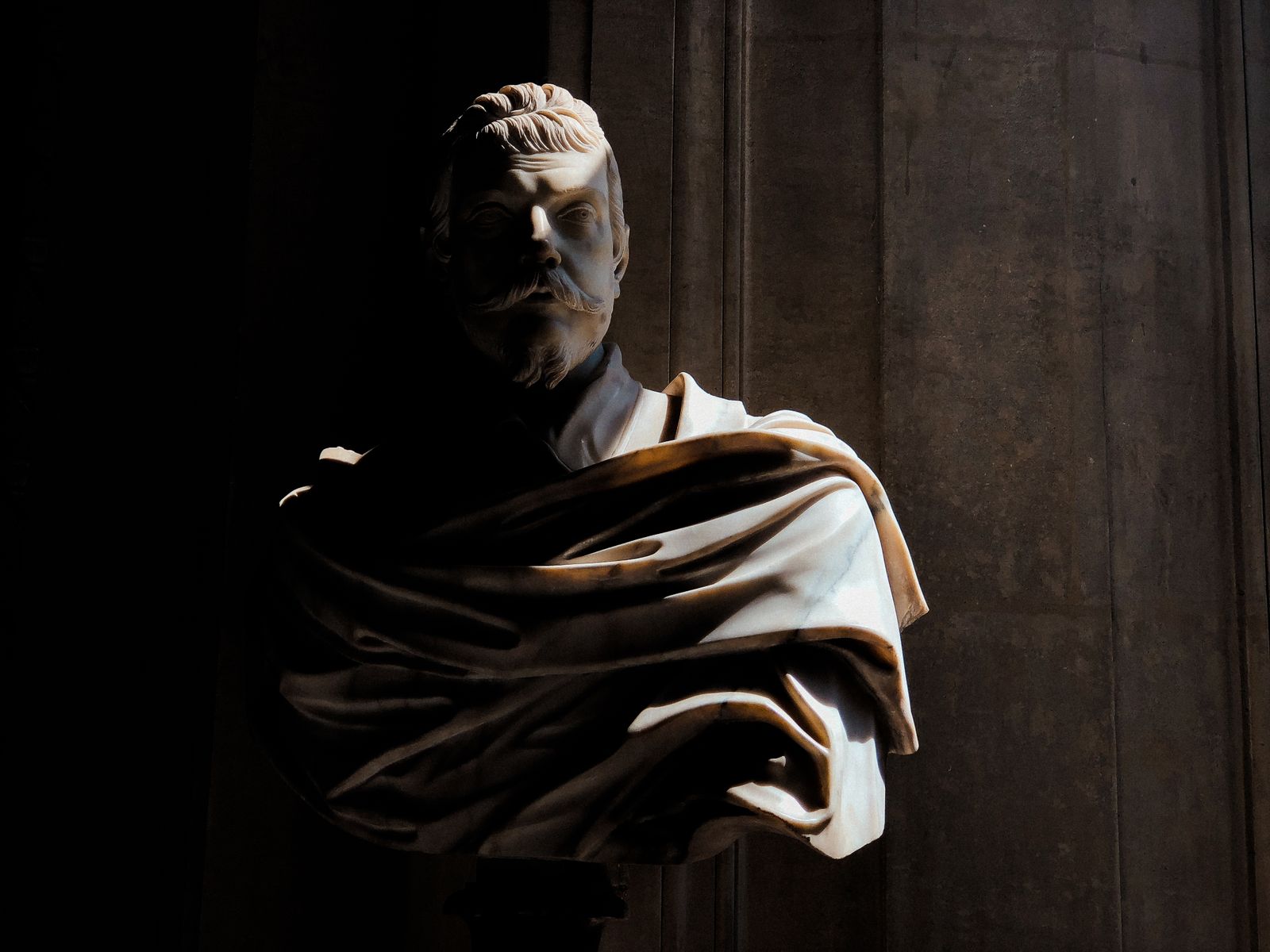
Tattoo placement is the decision most people underestimate. A design does not live on paper. It lives on a moving body, and the body has opinions.
This is the part that catches first-timers off guard. You bring a reference that looks perfect on a screen, clean and balanced inside its little rectangle, and the artist starts talking about your shoulder instead of your picture. They are not dodging the question. They are answering the real one.
Skin curves, folds, stretches, and ages. The forearm reads as a calm, flat plane. The ribs flex with every breath. The inner wrist is small and always in motion. A line that feels serene on a thigh can feel cramped on a wrist, not because the drawing changed but because the canvas did. Good placement follows the body the way good lettering follows a baseline. It respects the grain.
There is a reason traditional tattooing arrived at its own shapes. Sleeves wrap. Back pieces breathe across the shoulder blades. Anchors and swallows sat on forearms long before anyone used the word composition, because that is where they sat well on a working body. The old flash was quietly solving a design problem that has not gone away.
A few things worth holding onto.
Composition beats content. A strong idea placed badly will lose to a simple idea placed well, every time. The eye reads the arrangement before it reads the meaning.
Negative space is part of the design, not the leftover. The skin you choose not to tattoo gives a piece room to breathe and helps it stay legible as it settles over the years. Crowding is the most common way a good tattoo turns to mud.
Scale is a decision, not an afterthought. Shrink a detailed design too far and the details start fighting each other. Some images simply need room. Choosing a calmer version at the size you actually want usually beats forcing the busy version into a space that cannot hold it.
Movement matters more than the reference photo admits. Lift your arm, turn your wrist, sit down. A piece that looks right while you stand still and warps the moment you move was designed for a camera, not for a person.
This is why the first real conversation with an artist is rarely about the picture. It is about where the picture wants to go, how it will sit when you slouch on the train, how it will read in ten years rather than ten minutes. A good artist will sometimes talk you gently out of your first instinct. That is them doing the job, not dimming your idea.
Think of the body as the page. The art is only half the decision. The other half is the room you give it, and the way it agrees to live on something that bends.
Key Takeaways
- A design behaves differently on a moving, curving body than it does on paper.
- Placement changes how a piece looks, how it ages, and how much it asks of you on the day.
- Composition beats content: a strong idea placed badly loses to a simple idea placed well.
- Negative space is part of the design, and crowding is the most common way a good tattoo turns to mud.
- Scale is a deliberate choice, since shrinking a detailed design too far makes the details fight each other.
- The first real conversation with an artist is often about where the piece goes, not just what it shows.