Tattoo Styles in Pictures: A Visual Guide to Every Main Family
A picture is worth a thousand style descriptions. This visual tour of the main tattoo styles, from American traditional to fine line, lets you see the difference between them, not just read about it.
Updated June 2026
Tattoo styles are far easier to recognise than to describe. Once you can see the difference between blackwork and black-and-grey, or traditional and neo-traditional, you can name what you want and find the right specialist for it. This is the visual companion to our in-depth styles guide, which covers what each one is for and, just as importantly, how it ages.
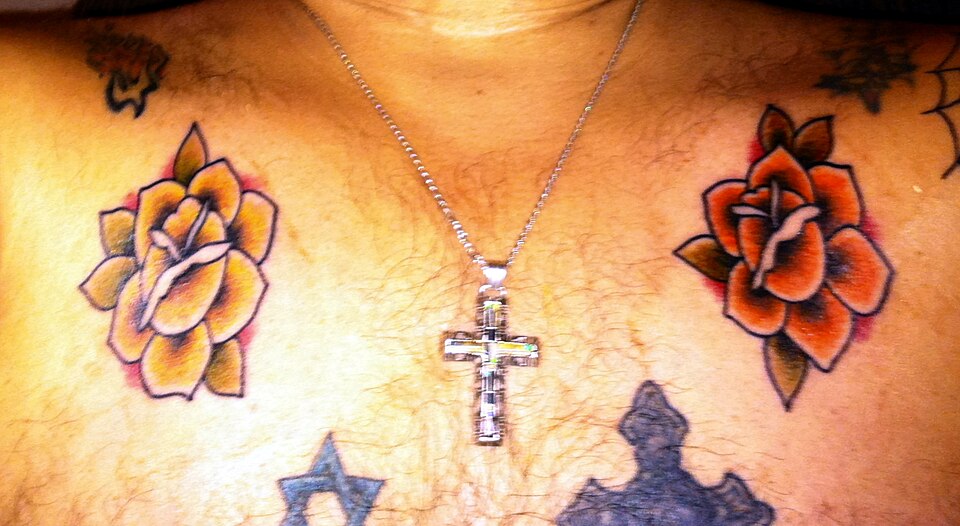
American traditional
Thick black outlines, a deliberately limited palette of saturated colours, bold solid fills, and a fixed icon set: anchors, roses, swallows, daggers. Built for permanence, it stays legible for life and is the gold standard for ageing.
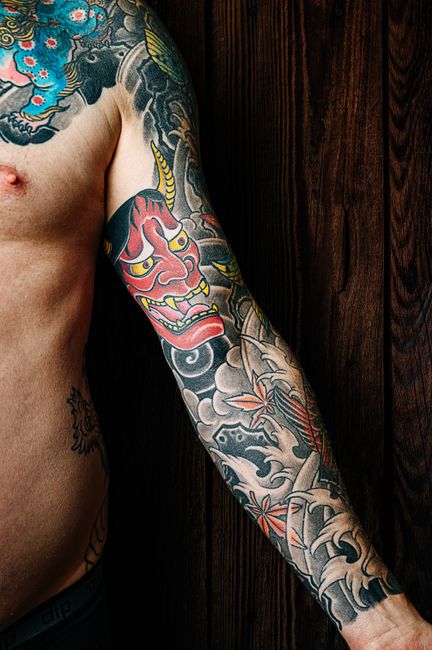
Neo-traditional
Traditional's richer descendant: the same bold, confident outlines, but with an opened-up palette, decorative framing, and dimensional, jewel-like detail. Think ornate animal portraits and framed florals.
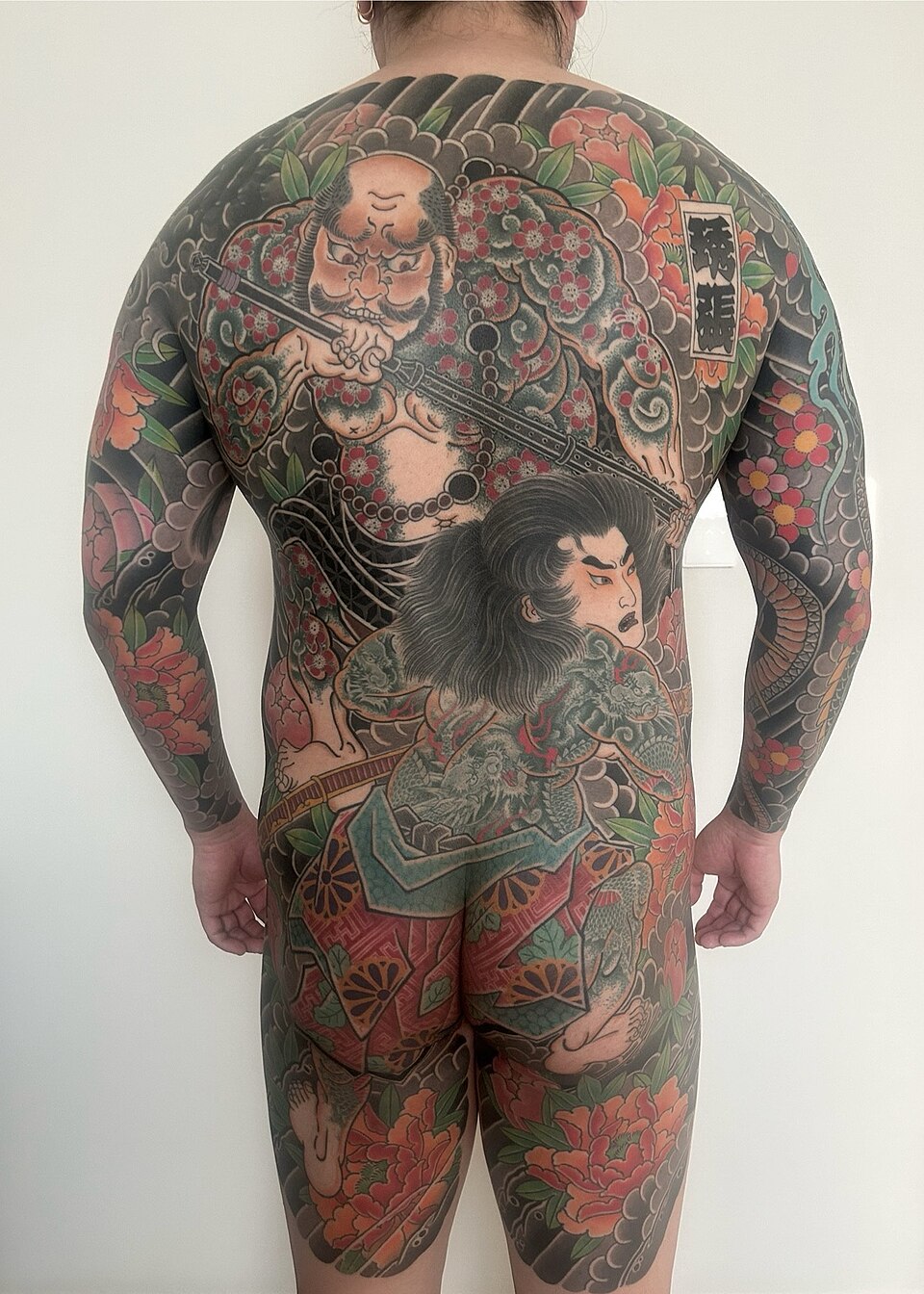
Japanese (irezumi)
Bold outlines and large, flowing compositions where background elements (waves, wind bars, clouds) tie everything into a unified whole, often across a whole limb or bodysuit. Koi, dragons, tigers, peonies. Designed for longevity, and it shows.
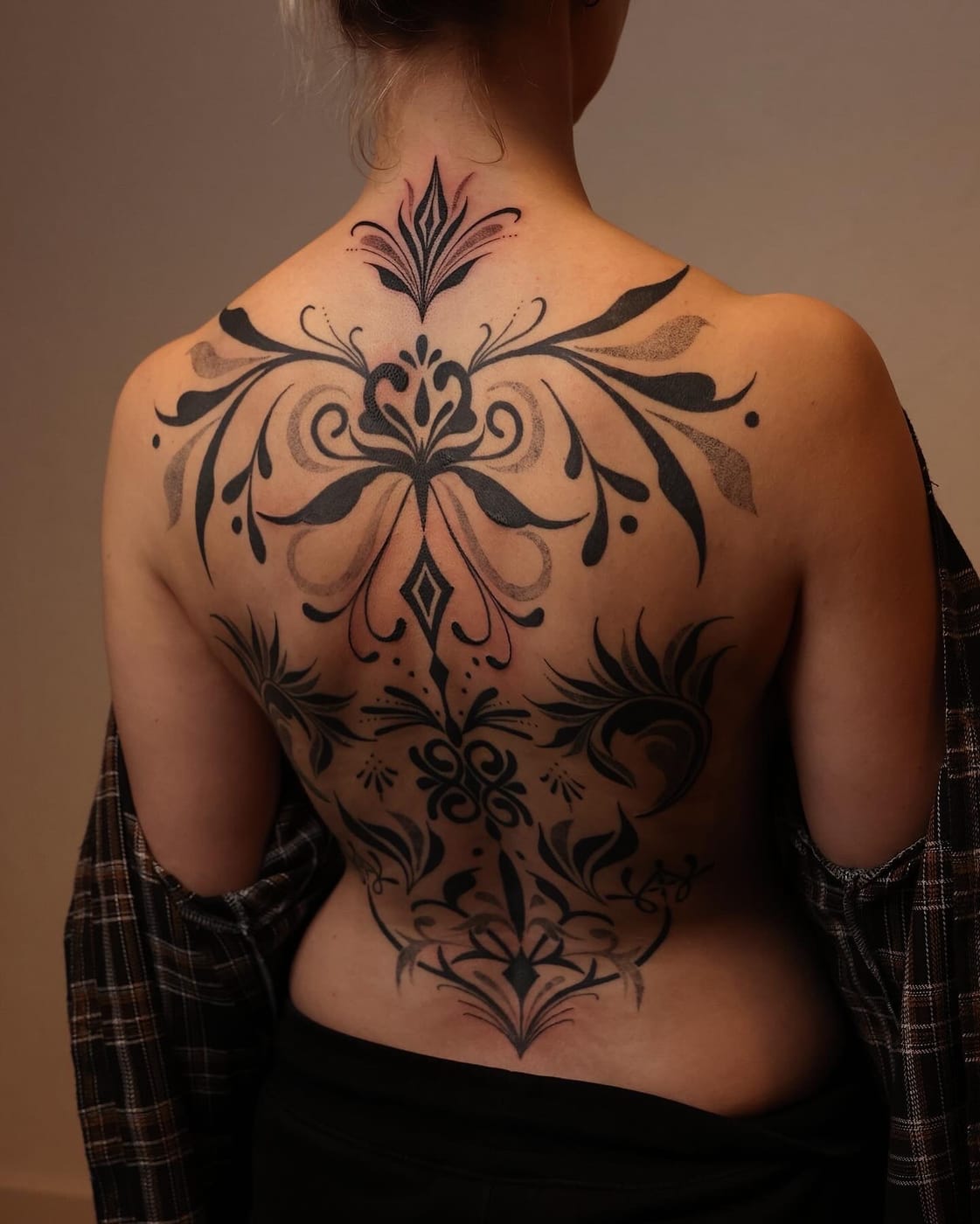
Blackwork
Black ink only: large solid fills, bold graphic shapes, dense pattern, or full blackout. With no colour, the design carries itself through form and contrast. Exceptionally stable, but hard to cover or rework later.
Fine line
Hairline-thin lines, delicate and minimal, usually executed with a single needle: tiny botanicals, dainty script, micro-realism. The defining look of the decade, and the great trade-off style: highest fashion, lowest longevity.
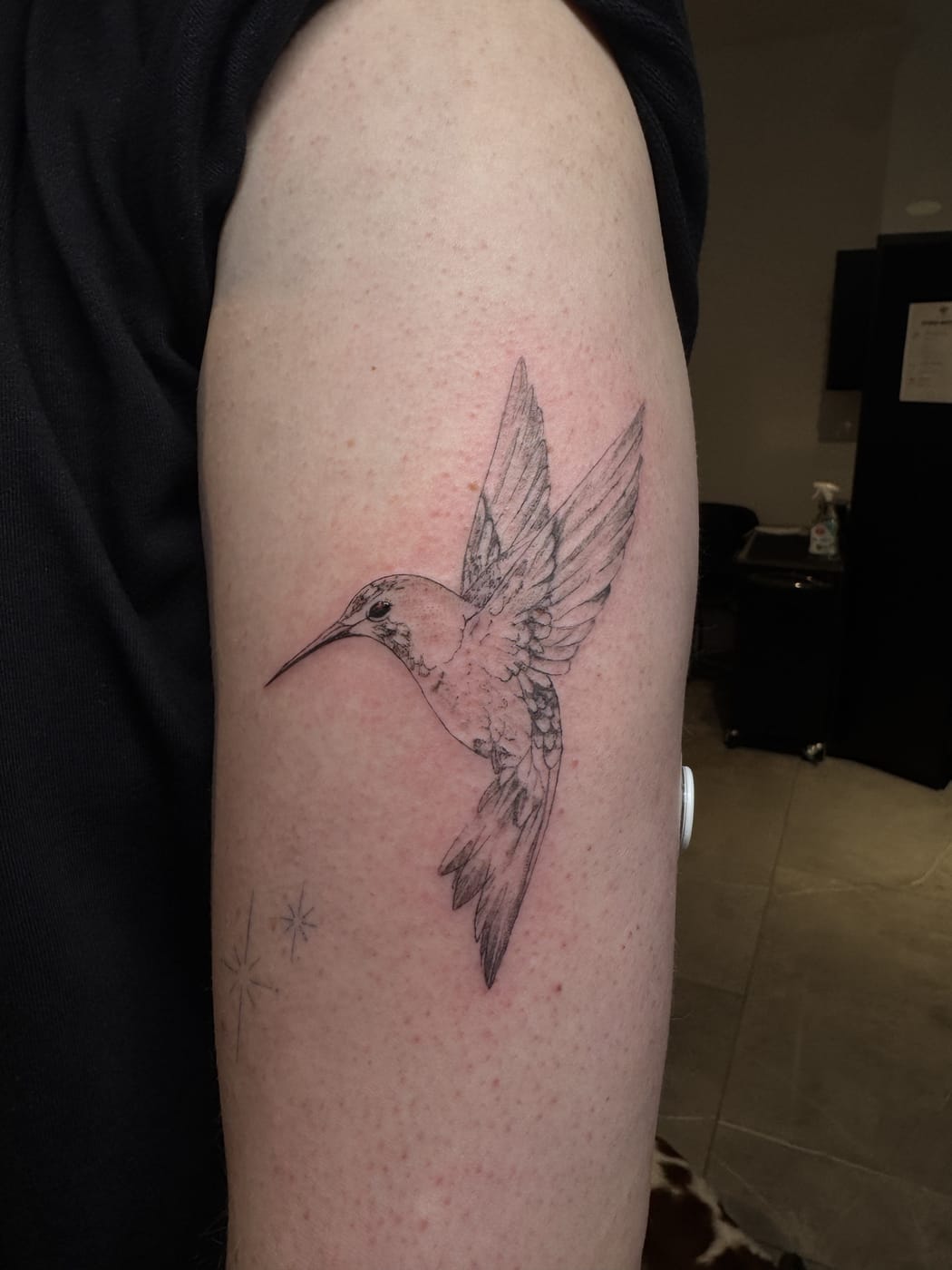
Realism
Photographic reproduction of faces, animals, or objects, built from subtle value gradients with little or no outline. The highest technical demand of any style, and one that absolutely needs a proven specialist.
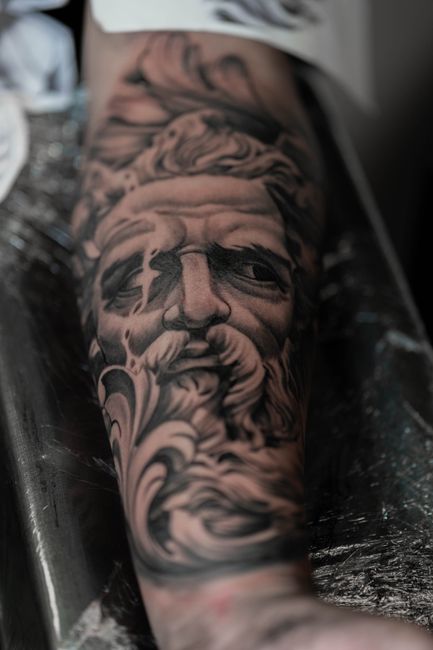
Black & grey
Black ink diluted into smooth grey washes for soft, cinematic gradients: the foundation of religious imagery, roses, and the fine-line Chicano tradition. One clean rule: high contrast survives, low contrast fades.
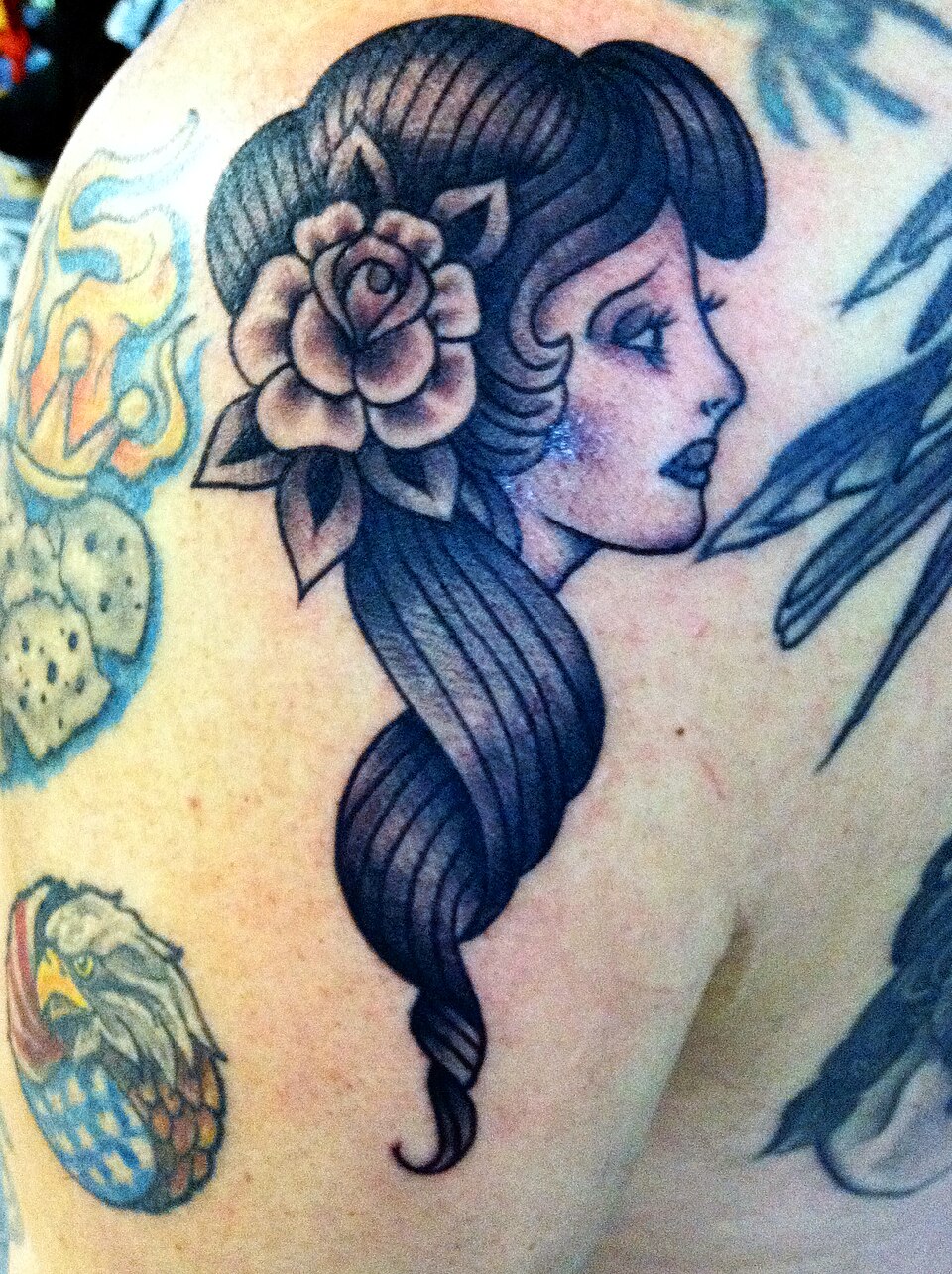
Watercolour
Soft colour gradients, splashes, and blends that mimic paint on wet paper, leaning on negative space with little or no black outline. The most striking and most debated style: it ages fastest of any mainstream style unless an artist builds in structural lines.
Geometric & dotwork
A family built on precision: clean lines, symmetry, sacred geometry, mandalas, and repeated pattern. Dotwork builds tone and shading from countless tiny dots. Symmetry is unforgiving, so line precision matters enormously.
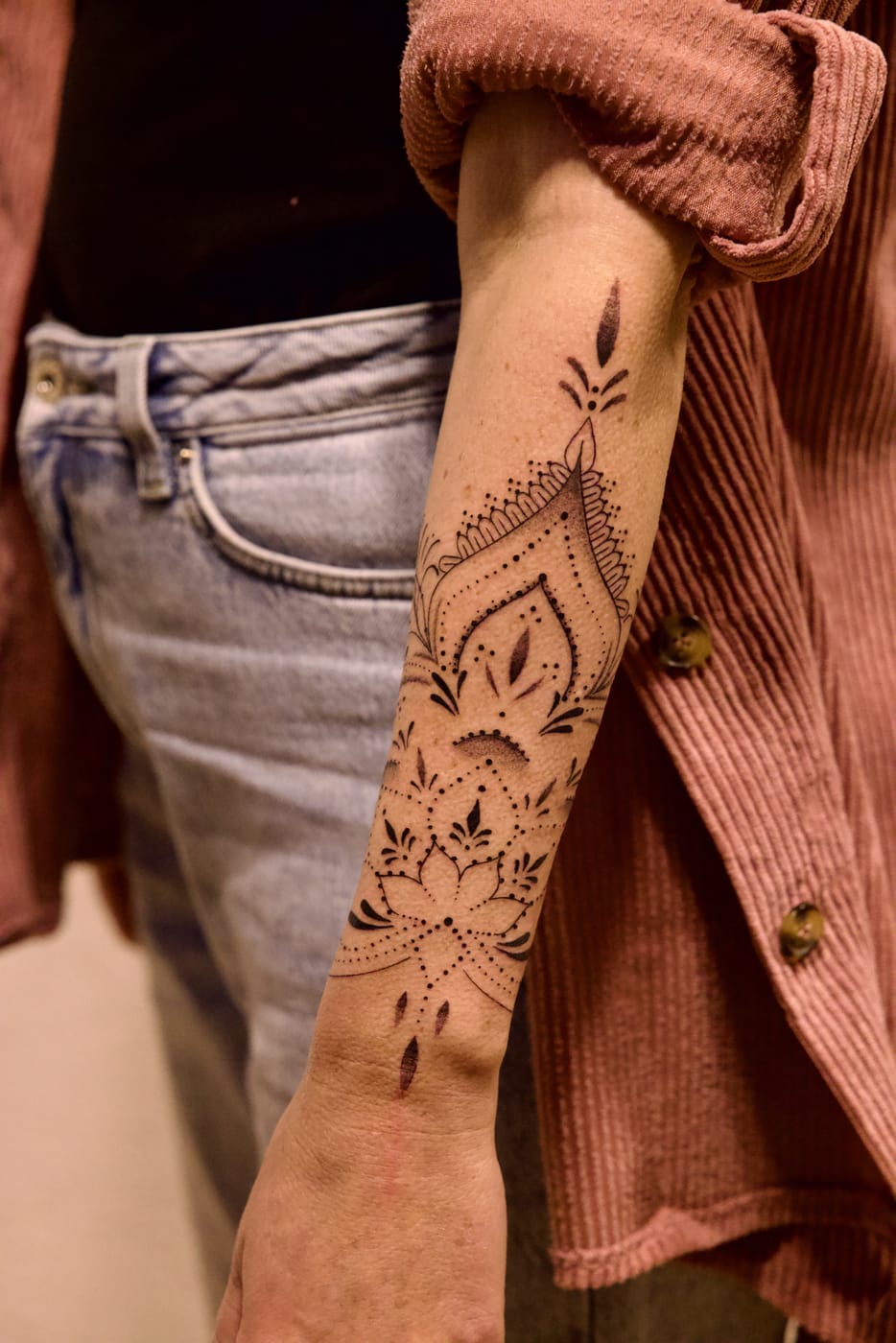
Lettering & script
Words as the art: script, blackletter, fine serif, and bold lettering. Consistency of letter height and a steady baseline make or break it, which is why it magnifies the smallest flaw.
Key Takeaways
- Seeing the styles side by side helps you name what you want and find the right specialist.
- American traditional, Japanese, and blackwork are built for permanence and age best.
- Fine line and watercolour look striking fresh but fade fastest.
- Bold outlines and high contrast are what keep a design legible over the years.
- Realism and geometric or symmetrical work demand a proven specialist, because they magnify any flaw.
See how each one ages
Looks are only half the story. For how each style wears over the decades, which placements suit it, and how to match a style to your idea, read the full tattoo styles guide.