Kintsugi Tattoo Meaning: The Gold Goes in the Seam
Kintsugi, the Japanese art of mending broken pottery with gold, has everything to say about tattoo meaning and the marks we choose to keep. The break is where the gold goes.
By GoldSeam Editorial·12 June 2026
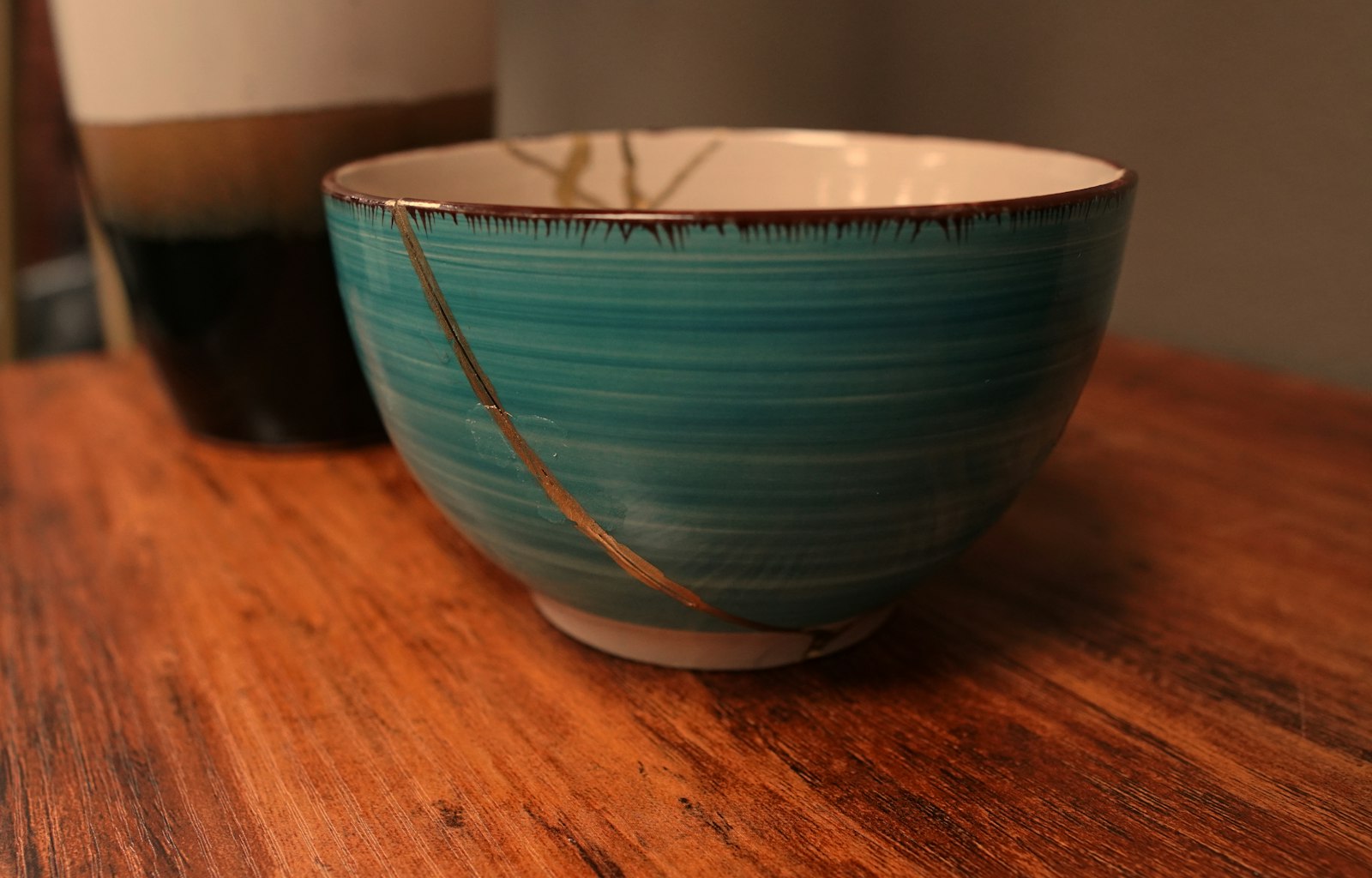
Kintsugi is an old Japanese practice of repairing broken pottery with lacquer and powdered gold. A bowl falls, cracks, and instead of being hidden away or thrown out it is mended along the fracture. The seam is not disguised. It is traced in gold and made the most deliberate line in the piece. The repair becomes the reason to look.
The idea underneath it is older than the technique. It holds that the history of an object, including the part where it broke, is worth honouring rather than erasing. A thing that has been mended with care is not lesser than a thing that was never damaged. Often it is the opposite.
Most people arrive at a tattoo carrying something that once felt like damage. A loss. A diagnosis. A stretch of life that ended sooner than planned. A year they would never want to repeat. The first instinct, the one the world tends to reward, is to cover it over and carry on as though it never happened.
Kintsugi suggests a different move. You don't pretend the break wasn't there. You give it a line, you give it some gold, and you let it become part of how you are put together. Not a wound on display, and not something you are still apologising for. A repair you are willing to be seen with.
This is where our name comes from, and it's the whole idea behind this journal. The gold is in the seam. The mark sits exactly where the story bent, and that is precisely why it's worth wearing.
Ink works the way kintsugi works. A scar answered by a piece is not denied, it is given a reply. A date that aches to remember becomes something you chose to keep rather than something that merely happened to you. Even tattoos that come from joy follow the same logic. They take a moment that mattered and refuse to let it dissolve quietly into the general blur of a life.
There is a quiet confidence in that. It is the opposite of performing wholeness. It is deciding that the places where you were put back together are allowed to catch the light.
You don't need a tragedy to understand this. You only need to have lived long enough to have a seam or two. Most of us are repaired objects by a certain age, mended along lines we did not choose, and the choice that remains is what to do with the repair. You can spend your energy hiding it, or you can trace it in gold.
That is what we mean by kintsugi, in ink. The break is where the gold goes.